Low Mess Sensory Bin Ideas for Preschoolers – Easy Cleanup
If you’ve ever set up a sensory bin and immediately regretted it when everything ended up all over the floor… you’re not alone.
After doing this with preschoolers (a lot!), I’ve found that the right setup makes ALL the difference.
These are my go-to ways to create low mess sensory bins that are still fun, engaging, and actually manageable to clean up.
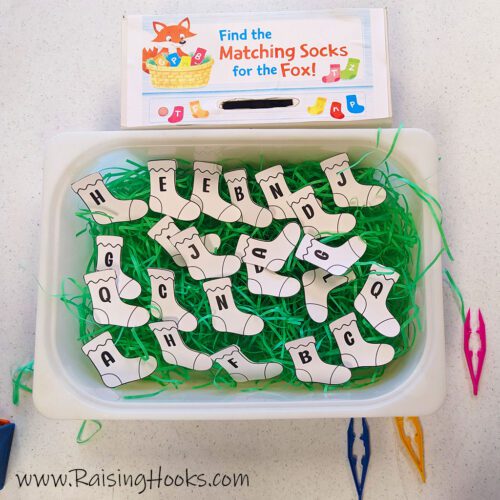
What Makes a Great Low-Mess Sensory Bin?
A good sensory bin isn’t just about what’s inside, it’s about how it’s set up.
Here’s what you want:
✔ Bigger materials (nothing tiny that scatters everywhere)
✔ Easy-to-grab items for little hands
✔ Built-in purpose (scoop, sort, collect, fill)
✔ Contained play (bins, trays, or defined space)
The goal:
Keep them engaged without creating a cleanup nightmare.
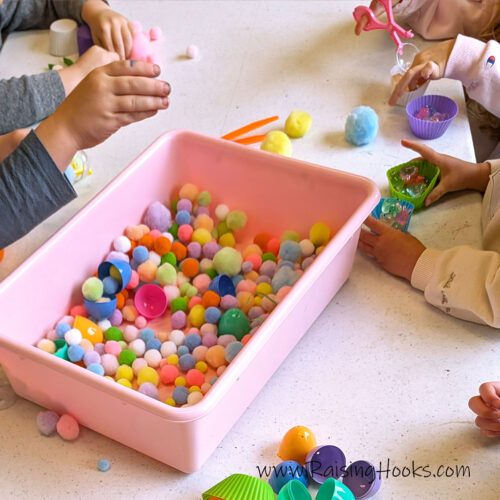
The BEST No-Mess Sensory Bin Bases
The base is the most important part if you want to avoid mess.
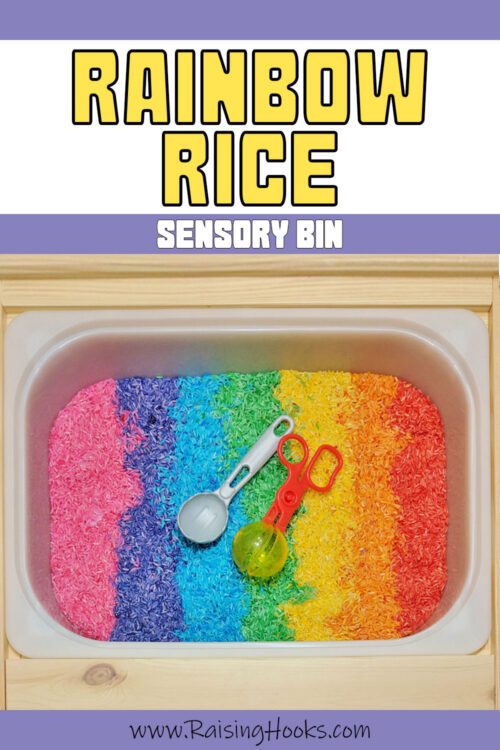
Skip anything tiny like rice, beans, or sand (they will end up everywhere).
✔ Instead, use:
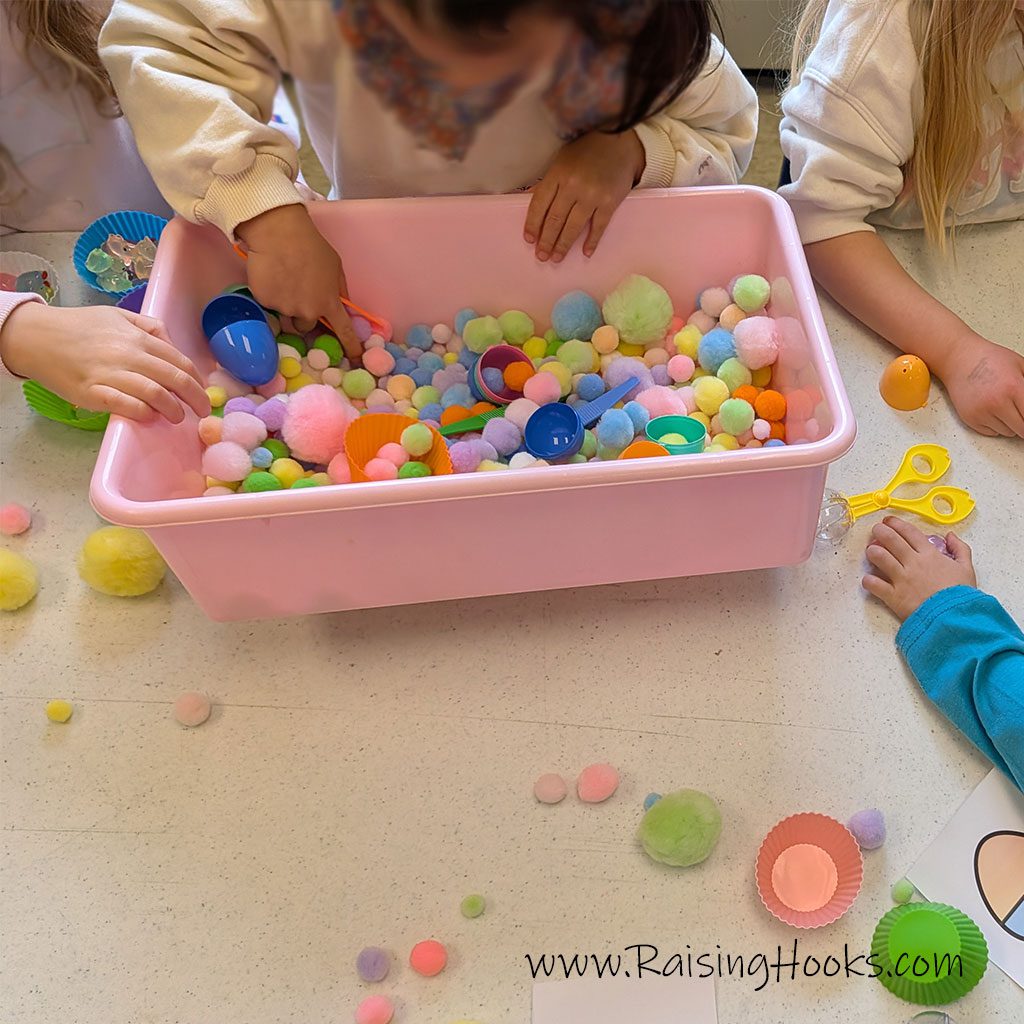
- Pom poms
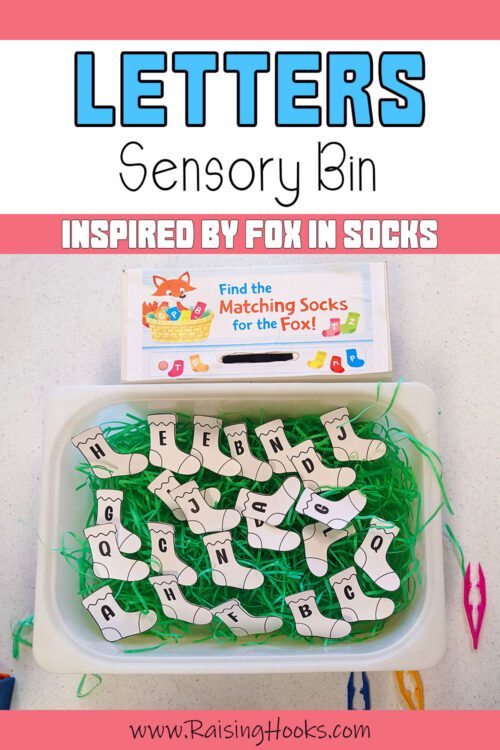
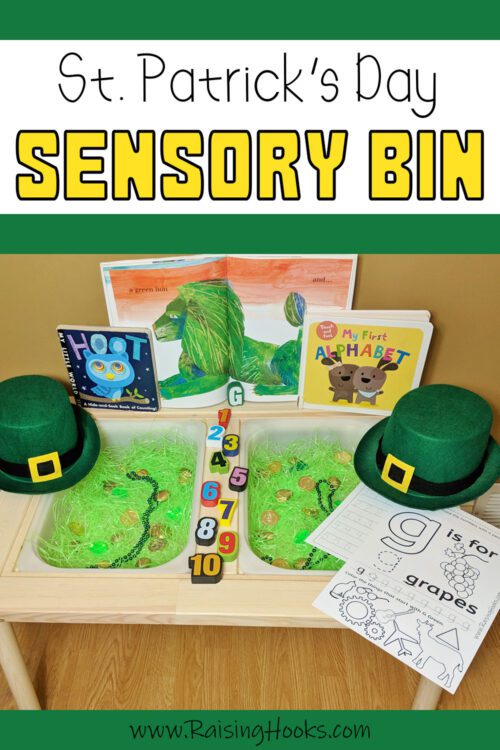
- Easter grass – around $2 at Michaels or Hobby Lobby
- Play scarves
- Felt pieces – cut into strips
- Large beads or Lacing Letters
- Fabric scraps – cut up old shirts or jeans
- Fake leaves
- Large pasta – like this ABC 123 Pasta
- Hedge balls
Why these work:
- Easy to grab
- Easy to see
- Easy to clean up (no vacuum needed!)
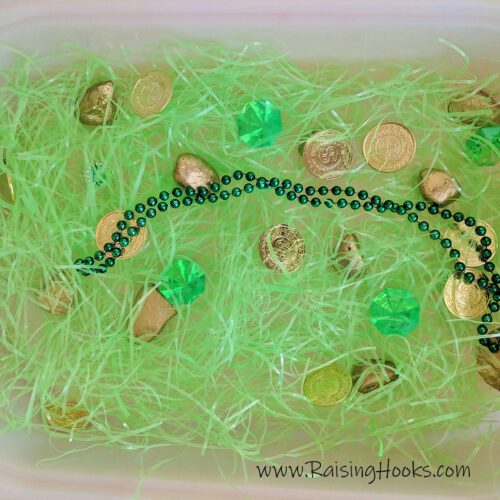
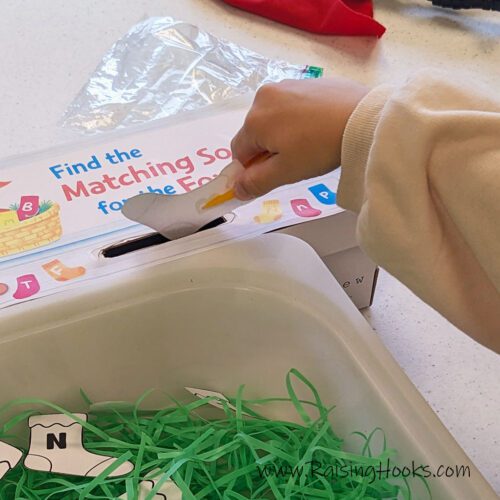
Add Fine Motor Tools (This Keeps Them Engaged Longer)
This is what turns a sensory bin from “dumping” to focused play
Include tools like:
These help build:
- hand strength
- coordination
- focus
And bonus:
They slow kids down = less chaos
Give Them Something to Collect & Sort Into
This is HUGE.
Kids LOVE collecting, sorting, and filling.
Add:
- Cupcake liners (silicone ones work great!)
- Small cups
- Plastic eggs – super cheap at Michaels or Hobby Lobby
- Mini buckets or baskets
- Containers or bowls
This gives the bin a purpose
Instead of dumping, they start:
- sorting
- organizing
- filling
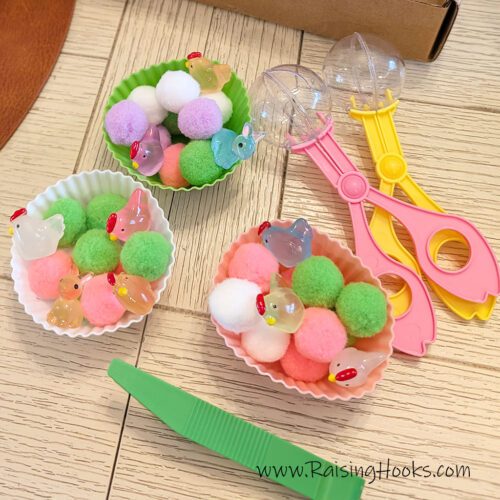
Fun “Fillers” & Toppings to Add
Once your base and containers are set, layer in fun items.
Try:
- Little gems
- Plastic letters and numbers
- Popsicle sticks
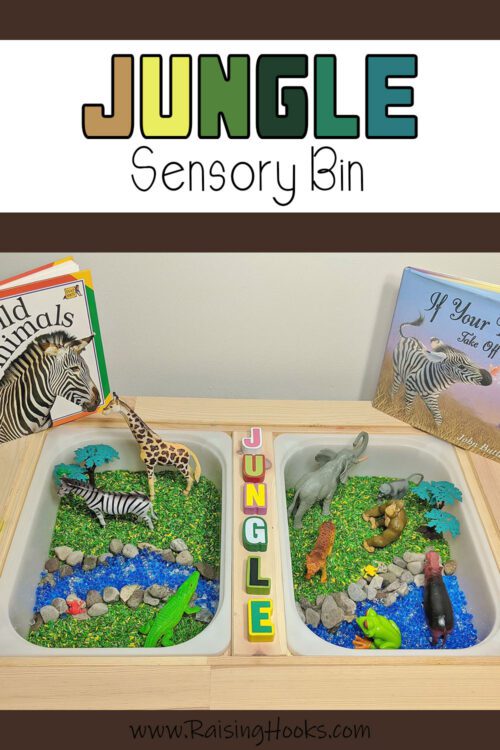
- Small animal toys
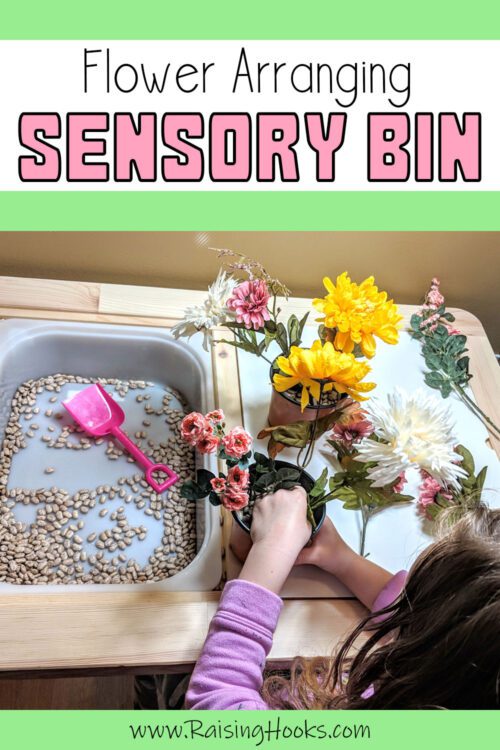
- Fake flowers
- Cardboard tubes
- Sea shells
- Themed items
One thing kids LOVE:
Filling containers and tubes over and over again
It keeps them busy way longer than you’d expect.
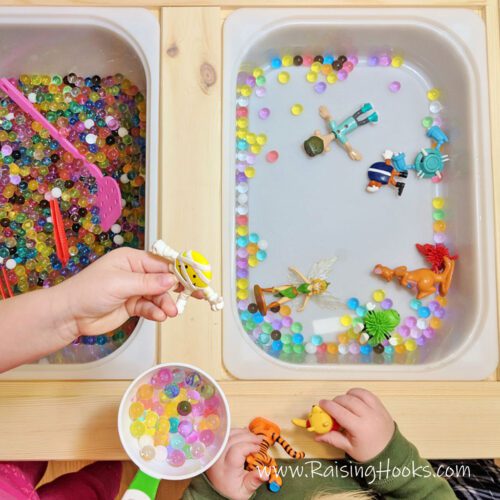
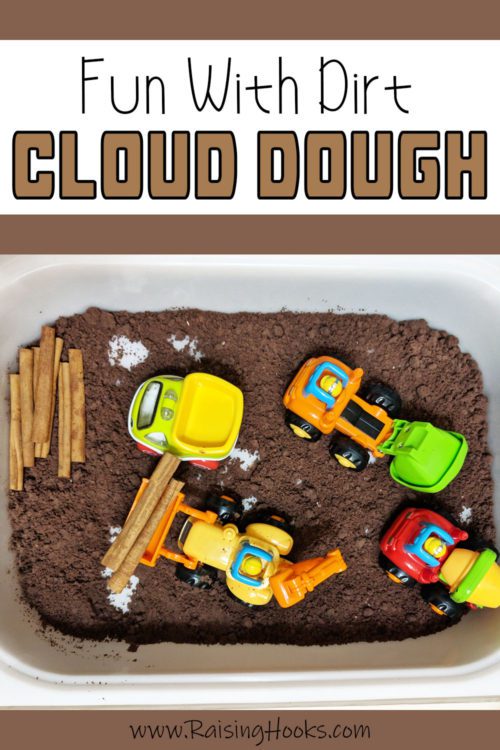
Even though this bin used a messier base, the concept is what matters. Adding small toys to “rescue” gives kids a purpose and keeps them engaged longer. You can easily recreate this idea using low-mess materials like pom poms or fabric scraps for a much easier cleanup. Pictured with the Flisat sensory bin table.
How to Keep It Low Mess (Real Life Tips)
These make a big difference:
✔ Use a large bin with higher sides (like the deep trofast bins shown below)
✔ Keep it on a table (not the floor if possible)
✔ Limit how much you put in
✔ Set a simple rule: “Everything stays in the bin or on the table”
And honestly…
The bigger the pieces, the easier your life is.
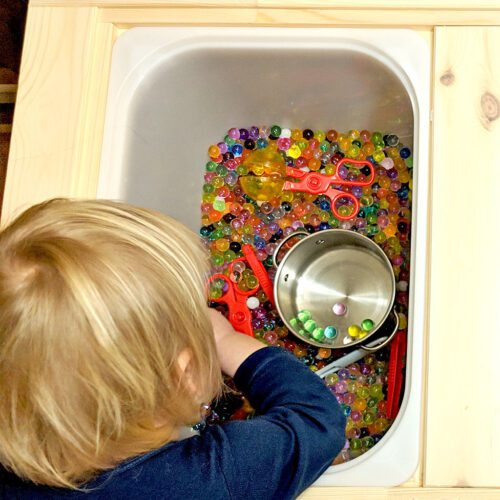
Simple Formula for a No-Mess Sensory Bin
If you want to make this easy every time, just follow this:
Base + Tools + Containers + Fun Items
That’s it.
- Base = pom poms / grass / fabric
- Tools = tweezers / scoops
- Containers = cups / eggs
- Fun = themed items or toys
This is a great full set of everything you need, just add the fillers!
Related Posts
St. Patrick’s Day Activities
February 21, 2022
Rainsticks
May 8, 2019