The Truth About Overlanding
Why Overlanding Gets So Much Hate (and Why It Shouldn’t)
If you search YouTube for overlanding, you’ll find dozens of videos calling it a “scam,” warning people not to waste their money, or declaring that overlanding is dead.
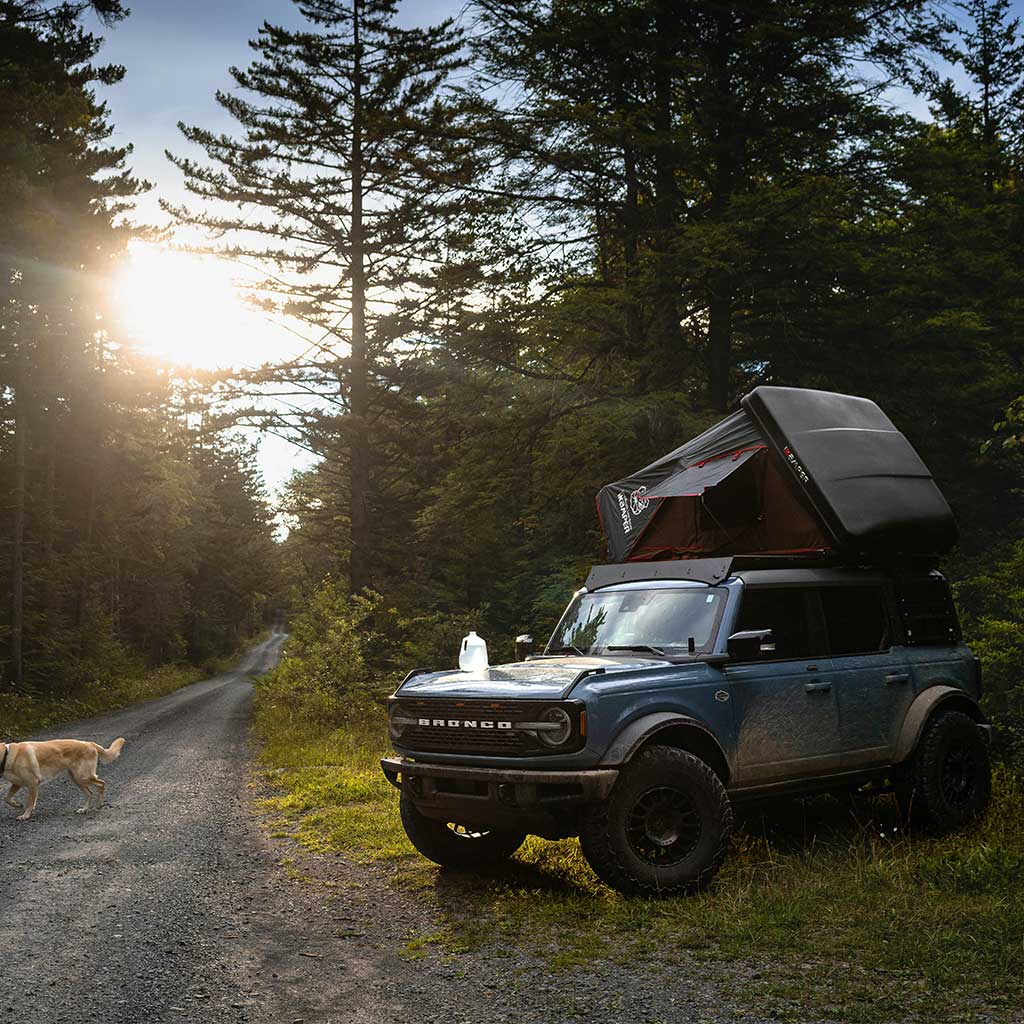
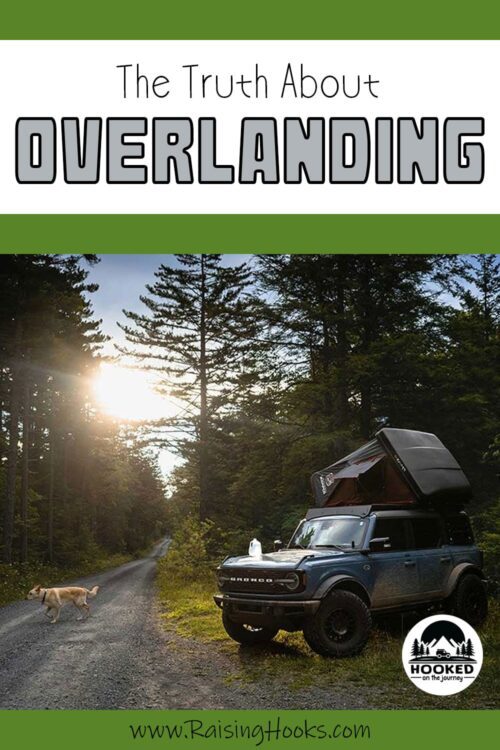
That reaction usually isn’t about the activity itself—it’s about how overlanding has been marketed. Highly produced influencer builds, six-figure rigs, and endless gear upgrades make it look like you need a second mortgage just to camp on a dirt road. When expectations get inflated like that, disappointment is inevitable, and backlash follows.
But overlanding isn’t dead—and it was never a scam. The hype just drifted away from the original idea: traveling simply, self-reliant, and at your own pace.
Influencers Aren’t the Problem
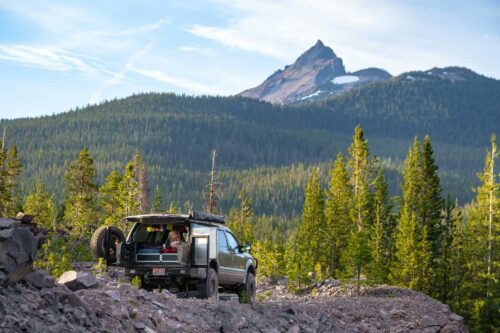
Blaming overland influencers for “gatekeeping” car camping misses the point. No one is stopping anyone from tossing a sleeping bag in the back of a stock vehicle and heading out for the weekend.
Influencers build extreme rigs because that’s what gets clicks—and honestly, we love to see it. Watching wild setups crawl through mud or disappear into the desert is entertaining. But those builds aren’t a rulebook. They’re highlight reels. Confusing inspiration with instruction is where people get tripped up.
Overlanding Means Two Different Things Now
Part of the confusion is that overlanding has come to mean two very different experiences.
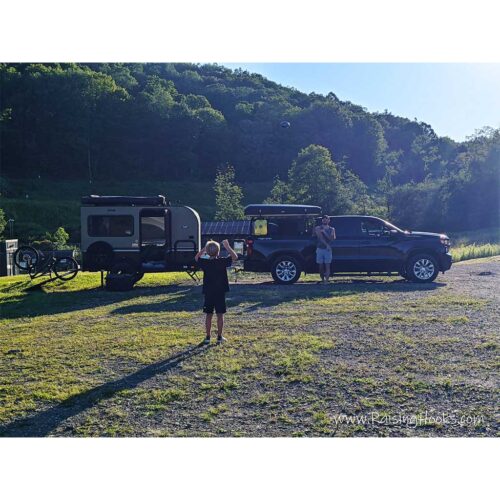
One version looks like this: you drive to a campsite—maybe a state park or a boondocking spot—set up camp, and stay put for a while. The drive is just a step before the real adventure begins. Camp becomes a base for hiking, rafting, climbing, or exploring the area on foot. The vehicle’s job is to get you there and hold your gear.
The other version flips that idea entirely. Here, the drive is the adventure. The route matters as much as the destination. Reaching camp feels less like parking and more like summiting a mountain or finishing a stretch of whitewater. Camp isn’t the starting point—it’s the reward.
Both experiences are valid. They’re just different.
Different Goals, Similar Tools
What’s interesting is that despite those differences, both styles often rely on similar setups. Adventure athletes and overlanders tend to value the same things: a light, mobile rig, a comfortable place to sleep, a basic kitchen, and a way to clean up at the end of the day.
For the adventure athlete, that setup creates a functional base to recover before the next objective. For the overlander, it allows the vehicle to handle tight trails, steep climbs, rocks, river crossings, mud, or snow without being weighed down.
Different goals. Similar tools.
Online arguments usually ignore that overlap and turn the conversation into a false choice: either you’re a minimalist car camper or a gear-obsessed overlander. Reality lives somewhere in between.
Why Overlanding Gets a Bad Reputation
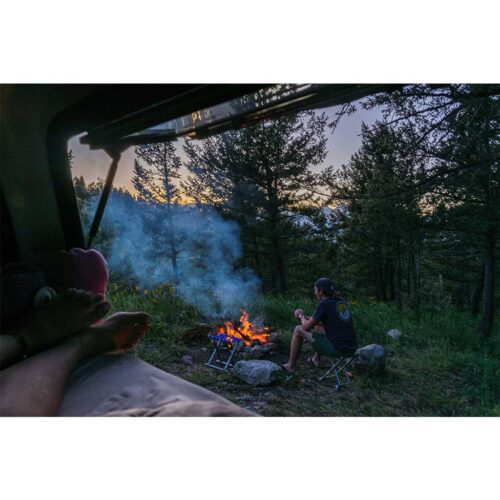
Overlanding often gets labeled as a “rich person’s hobby.” The word itself brings images of rooftop tents, built-out trucks, and trailers that cost more than some houses. Meanwhile, “car camping” feels approachable—just a climber or hiker sleeping in the back of a Subaru with the essentials.
That contrast creates a disconnect. Overlanding gets framed as flashy and inaccessible, while car camping feels grounded and relatable.
But most overlanding routes are just dirt roads. The extreme, technical trails that dominate social media represent a small slice of the community—just like elite alpine routes don’t define hiking as a whole. Most trips are moderate, accessible, and more about exploring new places than pushing vehicles to their limits.
The Simple Truth
Overlanding doesn’t have to be expensive or extreme. It’s about using your vehicle to expand where you can camp, experience new places, and enjoy the journey—regardless of rig size, gear, or skill level.
The internet loves an argument, and I’m sure this take will get some hate. But most debates around overlanding aren’t really about camping at all—they’re about optics, assumptions, and a handful of viral videos standing in for an entire activity.
Strip away the noise, and overlanding is still just people going outside, traveling under their own power, and sleeping somewhere they couldn’t reach before. And that’s something worth defending.
Related Posts
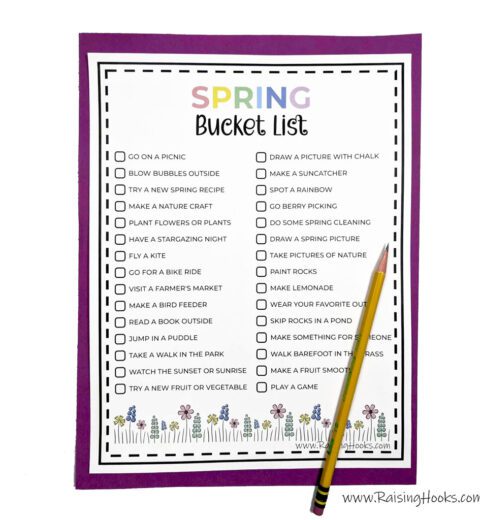
Free Printable Spring Bucket List for Kids & Tweens
March 24, 2025
Unlocking The Full Potential Of Homeschooling Beyond The Desk
May 11, 2024